Is Emily in Paris Season 5 the Future of Fashion Marketing? (Spoiler: Yes and No)
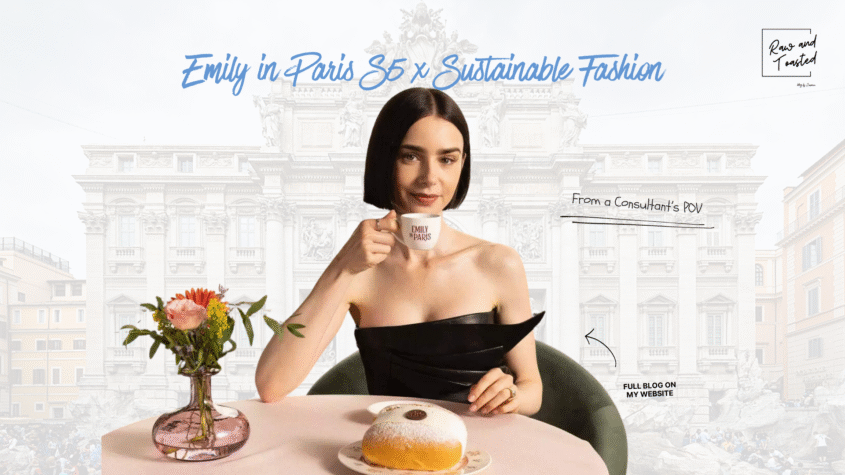
Okay smarties, we need to talk about what just dropped on Netflix today.
Emily in Paris Season 5 premiered on December 18, 2025, and honey, it’s serving us romantic entanglements, questionable Parisian fashion and a lot more. I’ve created an ebook about it with checklist and prompts you can use right away (all for FREE). Fendi launched a limited-edition capsule collection featuring two Baguette bags and one Peekaboo bag, each with a dedicated “Emily in Paris” logo tag, available in select boutiques worldwide and on their official website on the exact same day. And if you think that’s just another product placement deal, you’re missing the entire revolution happening right in front of your very well-dressed face.
Because here’s the thing nobody’s saying out loud Emily in Paris has accidentally become the most sophisticated real-time marketing rom-com in entertainment history. And Fendi? They just aced the on how luxury brands should think about IP collaborations in the AI era.
Buckle up, marketing friends. We’re about to dissect this brilliant mess it is.
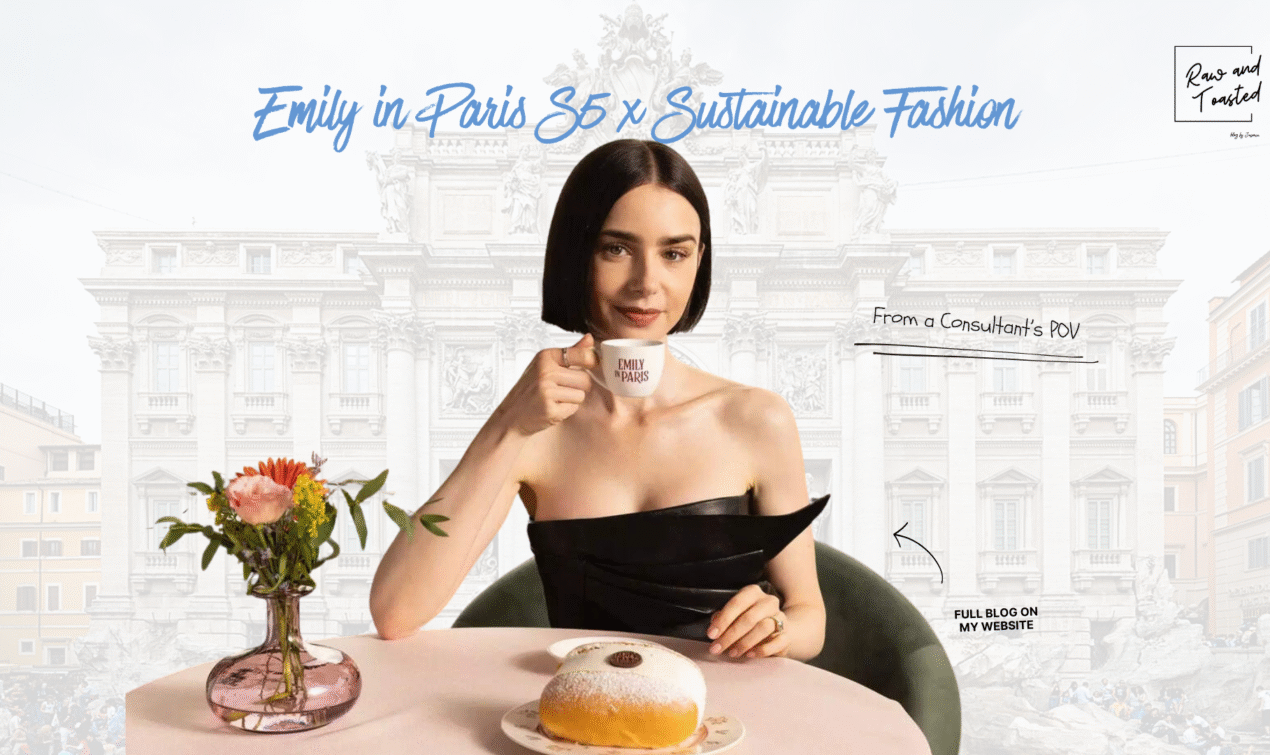
The Meta-Marketing Paradox: When Your Show About Marketing Is Marketing
Let’s start with the elephant wearing a vintage Baguette in the room. Emily in Paris is fundamentally a show about marketing where protagonist Emily Cooper works on fictional brand partnerships that sometimes become real-world relationships between those same brands and the show itself.
Your brain hurts yet? Good. It should.
Season 5 follows Emily as she heads Agence Grateau’s new Rome office while maintaining her Parisian connections, creating what’s essentially a dual-market. But here’s where it gets interesting from a marketing perspective, the show isn’t just featuring brands anymore, it’s stress-testing marketing strategies in real-time with global audiences.
Think about it, when Season 2 featured Rimowa luggage, the brand’s CMO reported that website traffic “immediately skyrocketed” after the episodes released. That’s not product placement, that’s a controlled experiment with 58 million subjects.
The AI Connection Nobody’s Discussing
Here’s where your AI-curious brains should perk up. What Emily in Paris is doing manually, AI is about to do automatically.
Right now, fashion companies like Heuritech are using AI algorithms that track everything from runway shows to social media to detect early trend signals months before they become mainstream. Meanwhile, AI-driven predictive analytics enable accurate forecasting of fashion trends and customer demand, helping brands optimise inventory levels and minimise waste. Emily in Paris is essentially doing human-powered predictive marketing by testing campaigns in fictional scenarios, measure real-world response, iterate. It’s A/B testing with narrative structure. And the data they get is chef’s kiss!
Fendi’s Galaxy-Brain Move: Manufacturing Scarcity in the Attention Economy
Now let’s talk about why the Fendi collaboration is actually genius, even if you think the show is trash (we’ll get to that critique, I promise).
The capsule features signature Fendi staples crafted with tapestry-effect fabric featuring the Fendi Dots motif, a blend of the FF logo and Art Deco-inspired polka dots, in color-block combinations of brown and pink or dove and mint green. “But wait,” you’re saying, “that’s just another celebrity collab cash grab, right?” WRONG. And here’s why…
The Three-Layer Scarcity Model
Layer 1: Physical Scarcity Limited edition, select boutiques only, same-day release with the show. This is classic luxury move.
Layer 2: Cultural Scarcity In Season 5, Emily brings her grandmother’s Fendi Baguette, which turns out to be a fake, to a meeting with Fendi, and the brand actually created the fake bag themselves for the show. Fendi literally manufactured a counterfeit of their own product for narrative purposes. The irony, the audacity. The absolute marketing brilliance of creating a storyline about authenticity while selling limited-edition authenticated pieces.
Layer 3: Temporal Scarcity They dropped this the day the show premiered. Not a week before (too eager). Not a week after (missed momentum). The exact moment 58 million households globally could start binge-watching. Season 5 released simultaneously across all markets at 12:00 AM Pacific Time, and the collection went live in the same window.
What AI Could Learn From This
Here’s what’s wild… this kind of synchronised launch required months of planning. But imagine if AI-powered trend analysis and demand forecasting could predict optimal launch windows in real-time?
Current AI platforms can already scan Instagram for style signals trusted by brands like Adidas, New Balance, Dior, and Louis Vuitton. The next evolution is when AI analyses streaming data, social sentiment, and purchasing behavior to recommend personalised product drops for different audience segments as they’re watching.
Fendi did this manually. The future does it automatically.
The Uncomfortable Truth: Emily in Paris Gets Marketing Brilliantly Right and Devastatingly Wrong
Okay, time for the hot takes with receipts. Because if we’re really going to learn from this web series, we need to talk about where Emily in Paris fails as a marketing representation and why those failures themselves are instructive.
1. The Instant Campaign Success Fallacy
Every campaign Emily touches succeeds. Immediately. With zero iteration. She suggests putting Pierre Cadault’s face on luggage, boom, viral success. She creates an Instagram filter for a pet food brand, boom, everyone loves it (well, until they don’t, but that’s drama, not marketing reality).
Real talk is that 71% of consumers desire personalised brand experiences, and achieving that requires sophisticated AI-powered chatbots and virtual assistants providing personalised customer service around the clock. It’s months of testing, and numerous failed experiments. It’s data analysis showing your brilliant idea actually alienated your core demographic.
2. The “Girlboss Solves Everything” Syndrome
Emily consistently saves campaigns through… being American? Having “fresh perspectives”? The show perpetuates this exhausting myth that good marketing is about having the “right” cultural lens rather than deep market understanding, rigorous testing, and systematic iteration.
Meanwhile, in actual 2025-26 fashion marketing, brands must localise their go-to-market models, broaden their price ranges, and focus on brand positioning to capture attention of price-sensitive consumers. It’s not about being quirky and American. It’s about data-driven strategy and cultural intelligence.
3. The Complete Absence of Meaningful Analytics
Show me ONE scene where Emily pulls up Google Analytics. ONE scene where they discuss CAC (Customer Acquisition Cost) or LTV (Lifetime Value). ONE meaningful conversation about conversion rates, attribution modeling, or cohort analysis. You can’t, because they don’t exist!
And yet, AI quickly and efficiently detects fraudulent activities and protects brands’ financial health while ensuring secure shopping experiences. Modern marketing isn’t about gut feelings and “bold ideas”, it’s about sophisticated data infrastructure and predictive modeling.
What the Show Gets Brilliantly Right
1. Brand Integrations That Actually Make Narrative Sense
The fact that Emily represents brands for her work means product placements feel natural, helping develop the story as Emily matures in her career. When she works with Rimowa or McDonald’s or Fendi, these aren’t random placements, they’re woven into character development.
This is actually sophisticated. Baccarat’s North America CEO said his team prefers storyline integration over standard product placement, which tends to resonate more strongly with consumers. The brands that succeed in Emily in Paris are those willing to become part of the narrative fabric.
2. The Visual Merchandising
Costume designer Marylin Fitoussi notes that Italian women never shy away from being overdressed with glitter and feathers, which a Parisian woman would never do. The show actively explores cultural differences in fashion psychology, which is… actually useful for brands operating in multiple markets.
And every ensemble has been scrutinised by fashion critics as intensively as any catwalk presentation, with immediate recognition of luxury brands suggesting meticulously calculated visual strategy. The show has accidentally become a real-time focus group for fashion visibility and brand recognition.
3. The Authenticity-Adjacent Approach
Look, the show is camp. Everyone knows it’s camp. One journalist described watching it as “like wandering through an enormous shopping mall”. But here’s the thing, that transparency is part of the appeal. Unlike traditional product placement that tries to hide its commercial nature, Emily in Paris leans into it so hard that it becomes part of the show’s DNA. And audiences are sophisticated enough to appreciate the honesty while still being influenced by the placements.
Three Marketing Lessons for Every Budget
Whether you’re running a luxury conglomerate or bootstrapping a DTC startup, Fendi’s approach offers transferable insights:
Lesson 1: Narrative Integration Beats Visibility
Fendi didn’t just pay to have Emily carry a bag. They created an entire storyline about authenticity, heritage, and emotional connection. Emily’s grandmother’s bag, that resonates with their brand positioning.
Your Move: Whether you’re working with influencers or creating content, ask: “What’s the story?” not “Where’s our logo?” Brands should leverage creator-led campaigns for authenticity, collaborating with creators who embody brand values and engage niche communities.
Lesson 2: Multi-Channel Synchronization Creates Momentum
The collection launched simultaneously with the show across global markets. The accessories were available in selected Fendi boutiques worldwide and on the brand’s website from the moment episodes dropped.
Your Move: Use AI-driven predictive analytics for highly accurate forecasting to coordinate launches across channels. Even with limited budgets, you can synchronise email, social, and retail moments for maximum impact.
Lesson 3: Manufactured Scarcity + Cultural Relevance = Premium Positioning
The mint-green tapestry Baguette Emily carries in Rome represents the ultimate main character accessory, with that “It’s not a bag, it’s a Baguette” energy remaining entirely undefeated.
Your Move: Create genuine limited releases tied to cultural moments your audience cares about. 71% of consumers want personalised experiences, so use AI to identify micro-moments for targeted drops rather than broad campaigns.
AI Fashion Marketing: The Tools You Can Actually Use Tomorrow
Enough theory. Let’s talk practical applications for different types of fashion marketers:
For Enterprise Fashion Brands
Predictive Trend Forecasting: Platforms like Heuritech successfully predicted dotted prints, flat-thong sandals, and the color yellow months before they appeared on mainstream markets. Tools like this help enterprise brands:
- Optimise inventory before trends peak
- Reduce overproduction and waste
- Align collections with real-time demand signals
Dynamic Product Placement: Netflix’s partnership with Google enables dynamic product placement using AI technology that virtually inserts brands into digital content, with the included product changing based on audience segmentation. Consider how this could revolutionize your content strategy.
Virtual Try-On Technology: Augmented reality and AI enable virtual try-ons and fitting rooms, giving customers an in-store experience online. Brands implementing comprehensive AI strategies report average order value increases of 15-30% through personalised recommendations.
For DTC Brands & Solo Founders
Accessible Trend Intelligence: You don’t need Heuritech’s enterprise budget. Small creators can tap into lightweight tools like Google Trends or ChatGPT to spot emerging styles in online conversations.
AI-Generated Marketing Content: Generative AI creates comprehensive, engaging, and optimized product descriptions and marketing content at scale, tailored for optimal SEO performance. This levels the playing field against brands with massive creative teams.
Personalisation at Scale: Platforms like Vue.ai build recommendation engines tailored for fashion eCommerce, while Shopify’s AI features help segment audiences based on buying behavior. Even bootstrapped brands can offer luxury-level personalization.
For Marketing Agencies & Consultants
Client Pitching with Predictive Data: AI allows fashion marketers to predict trends by analyzing historical data, social media behavior, and cultural shifts. Walk into pitches with data-backed trend predictions that demonstrate ROI before a single dollar is spent.
Automated Campaign Optimisation: Programmatic advertising allows for more precise targeting, ensuring key consumer demographics see campaigns for styles they’re itching for. Build this into your service offering.
Influencer Performance Analysis: AI can be used for analyzing engagement rates, segmenting audience demographics, and measuring campaign performance. Give clients quantifiable influencer ROI, not vanity metrics.
The Takeaway: Insights by Role
For Brand Owners:
- Invest in narrative partnerships over traditional advertising. Storyline integration resonates more strongly with consumers than overt product placement.
- Use AI for trend prediction, not just analytics. AI algorithms can better predict demand, helping brands create necessary inventory while reducing waste.
- Synchronise launches across cultural moments. Timing isn’t everything, it’s the only thing in attention economies.
For Marketing Leaders:
- Build cross-functional teams that understand data AND storytelling. The future isn’t data vs. creativity, it’s data-informed creativity.
- Experiment with micro-scarcity models. Limited releases tied to cultural moments create urgency without alienating mass markets.
- Measure brand affinity, not just impressions. Affinity metrics that measure how likely audiences who engage with one brand are to engage with another matter more than reach.
For Solo Founders:
- Leverage accessible AI tools for competitive intelligence. Google Trends and ChatGPT can help spot emerging styles without enterprise budgets.
- Focus on niche cultural moments over broad campaigns. You can’t outspend Nike, but you can out-niche them.
- Build narrative into your brand from day one. Your origin story is your Emily in Paris moment, make it count.
For Social Media Managers:
- Study product integration in entertainment. Early script integration and substantial financial commitments from advertisers are standard practice in the American market.
- Create “shoppable moments” not “ads.” Google Lens integration allowed viewers to snap images of screens and direct to websites retailing outfits.
- Test, measure, iterate, then test again. Every post is a micro-experiment. Treat it like one.
Conclusion: What Emily in Paris and Fendi Flag Us About the Future
Here’s the uncomfortable truth we need to sit with:
The line between content and commerce isn’t blurring, it’s dissolving entirely.
Emily in Paris accelerates this dissolution by making the marketing itself the entertainment. Fendi capitalises by turning entertainment back into commerce through strategic product releases. And AI will make this cycle so fast, so personalized, and so seamless that we’ll barely notice it happening.
But here’s the key insight: the winners won’t be those with the biggest budgets, they’ll be those who understand how to layer narrative, data, and cultural timing into integrated experiences.
Fendi’s capsule collection isn’t expensive because of the materials or craftsmanship (though both are exquisite). It’s expensive because of the story. The timing and the cultural capital of association with a show that 58 million households will watch.
And AI is about to make that kind of cultural capital calculation instant, scalable, and accessible to brands at every level.
And here’s the thing about Emily in Paris and Fendi… they’re not doing anything you can’t do. They’re just doing it with more zeros on the budget and more cameras capturing the results. But the principles, the timing and the integration of story and product is available to all of us, right now, today.
The question isn’t whether AI will transform fashion marketing, 73% of fashion executives already plan to prioritise this technology in 2025. The question is whether you’ll be early to the shift or scrambling to catch up.
Emily might be in Paris (and Rome, and Venice), but the marketing revolution she represents is happening right here, right now, in whatever city you’re reading this from.
So tell me: are you ready to get uncomfortable? Because that’s where all the interesting work happens.
What’s your take on the Emily in Paris marketing? Are you team “guilty pleasure goldmine” or team “absolutely cannot”? Drop your hottest takes and marketing predictions for 2026, I promise I’ll read every single one, data analyst that I am.
And if you found this post useful, share it with your marketing friends who need to hear that their luxury brand clients should be thinking about narrative integration and AI-powered trend forecasting. They’ll thank you later.
Until next time,
Love, Jasmin
FREE RESOURCES